

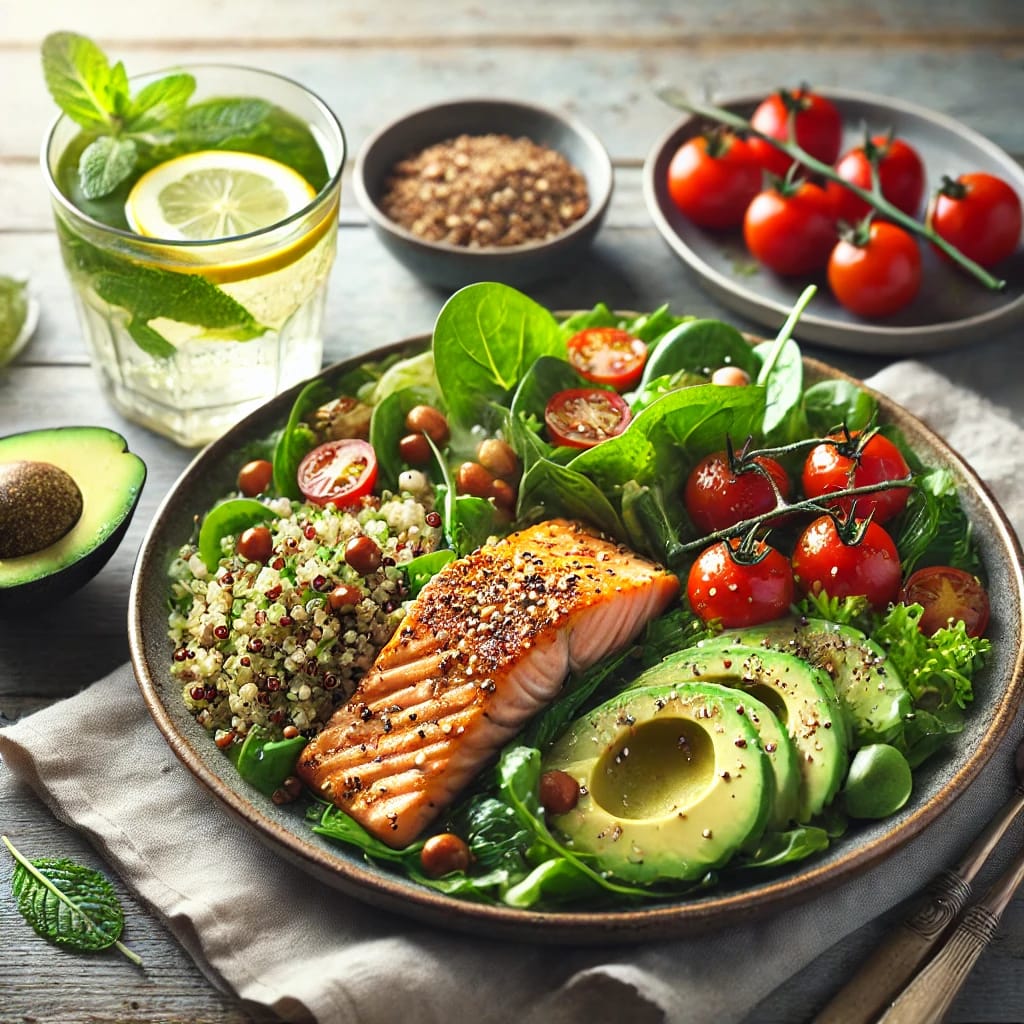

In today’s fast-paced world, it’s easy to overlook the importance of eating healthy. We’re often pulled in different directions by our busy schedules, convenience foods, and constant access to unhealthy snack options. But fueling your body with the right foods is one of the most powerful ways to boost your overall well-being and improve your quality of life.
Why Eating Healthy is Crucial
Eating healthy isn’t just about losing weight or fitting into a specific dress size—it’s about nurturing your body and mind. Here’s why it matters:
Better Physical Health
When you nourish your body with whole, nutrient-dense foods, you’re giving it the tools it needs to function at its best. A balanced diet helps keep your immune system strong, reduces the risk of chronic diseases like heart disease and diabetes, and supports healthy bones, muscles, and organs.Improved Mental Clarity and Mood
The foods you eat have a direct impact on your brain. Nutrient-rich meals can help balance your mood, increase focus, and even enhance cognitive function. Omega-3 fatty acids found in fish, leafy greens, and nuts are particularly beneficial for brain health and emotional well-being.Increased Energy
Whole foods, such as fruits, vegetables, lean proteins, and whole grains, provide a steady release of energy throughout the day. On the other hand, sugary or processed foods often lead to energy crashes, leaving you feeling sluggish and irritable.Stronger Immune System
Eating a variety of colorful fruits and vegetables helps to strengthen your immune system, making it easier for your body to fight off infections and illnesses.
How to Eat Healthier: Simple Tips to Get Started
Making changes to your diet doesn’t have to be overwhelming. Here are some easy, actionable tips to help you get started on your journey to healthier eating:
Focus on Whole Foods
Try to eat foods that are as close to their natural state as possible. This means focusing on fruits, vegetables, lean proteins (chicken, fish, beans), whole grains (brown rice, quinoa, oats), and healthy fats (avocados, nuts, olive oil).Plan Your Meals
Meal planning is one of the best ways to stay on track with healthy eating. Set aside some time each week to plan your meals, create a shopping list, and prepare healthy snacks. This will help you avoid last-minute unhealthy choices.Mind Your Portions
Even healthy foods can contribute to weight gain if you’re eating large portions. Practice mindful eating by paying attention to portion sizes and eating slowly. This gives your body time to signal when it’s full.Limit Processed Foods
Processed foods are often high in unhealthy fats, sodium, and added sugars. While it’s okay to indulge occasionally, try to limit processed snacks, fast food, and sugary drinks. Opt for homemade versions of your favorite treats whenever possible.Drink Plenty of Water
Hydration is key to maintaining good health. Drinking water throughout the day helps your body stay energized, supports digestion, and improves skin health. Aim for at least 8 cups of water a day, or more if you’re active.Balance is Key
Eating healthy isn’t about perfection—it’s about balance. Allow yourself some flexibility to enjoy a treat now and then. The goal is to make healthier choices most of the time and develop habits that are sustainable in the long run.
The Takeaway: Small Changes Lead to Big Results
Eating healthy doesn’t require drastic changes overnight. Start with small, manageable adjustments to your daily meals, and over time, those changes will add up to significant improvements in your health.
Remember, the key to long-term success is consistency. Stay committed to nourishing your body, and don’t be too hard on yourself if you slip up from time to time. Just get back on track, and celebrate the positive changes you’re making for your body and mind.